Oxygen Output, Flow Type, and Medical Compatibility
Oxygen output is the single most critical factor when selecting a portable oxygen concentrator (POC). The device must meet your physician-prescribed oxygen flow rate, typically measured in liters per minute (LPM), and deliver it in the correct format either pulse dose or continuous flow. Pulse dose systems release oxygen only when the device senses inhalation, which conserves battery life and allows for smaller, lighter designs. Continuous flow systems deliver a steady stream of oxygen regardless of breathing pattern and are often required for users who need oxygen during sleep, have shallow breathing, or require higher, uninterrupted oxygen levels. Not all POCs support continuous flow, so this is a key differentiator. Using a pulse oximeter at home allows you to monitor blood oxygen saturation (SpO₂) levels and ensure the concentrator maintains safe and effective oxygen delivery during rest, activity, and sleep.
Battery Life, Charging Methods, and Power Flexibility
Battery performance directly impacts mobility and independence. A minimum of 3–6 hours per charge is ideal for daily activities, errands, or short trips, but longer battery life is strongly recommended for travel or extended outings. Some models offer standard and extended battery options, allowing users to swap batteries on the go without shutting down the device. Multiple charging options such as AC wall charging for home use, DC vehicle charging for road trips, and external battery chargers add versatility and peace of mind. Battery recharge time is another important consideration; faster recharge cycles reduce downtime and improve overall usability.
Size, Weight, and Portability Trade-Offs
Portability is one of the biggest advantages of a POC, but it often involves trade-offs. Ultra-lightweight units, typically under 5 pounds, are easier to carry, ideal for active users, and more comfortable for long periods of wear. However, these smaller units often provide lower maximum oxygen output and shorter battery life. Larger or slightly heavier models may deliver higher oxygen flow rates, longer run times, and more robust performance, but can be less convenient to transport. Consider whether you’ll be walking frequently, traveling long distances, or mostly using the device in stationary settings when deciding on size and weight.
Noise Level and Discretion
Noise output is especially important if you plan to use your concentrator in public spaces, social settings, or quiet environments such as offices, theaters, or bedrooms. Devices operating at approximately 40 decibels or lower are considered quiet enough to blend into background noise, similar to a soft whisper or ambient room sound. Quieter operation improves comfort, reduces self-consciousness, and supports uninterrupted sleep for both users and those nearby.
Ease of Use, Controls, and Monitoring Features
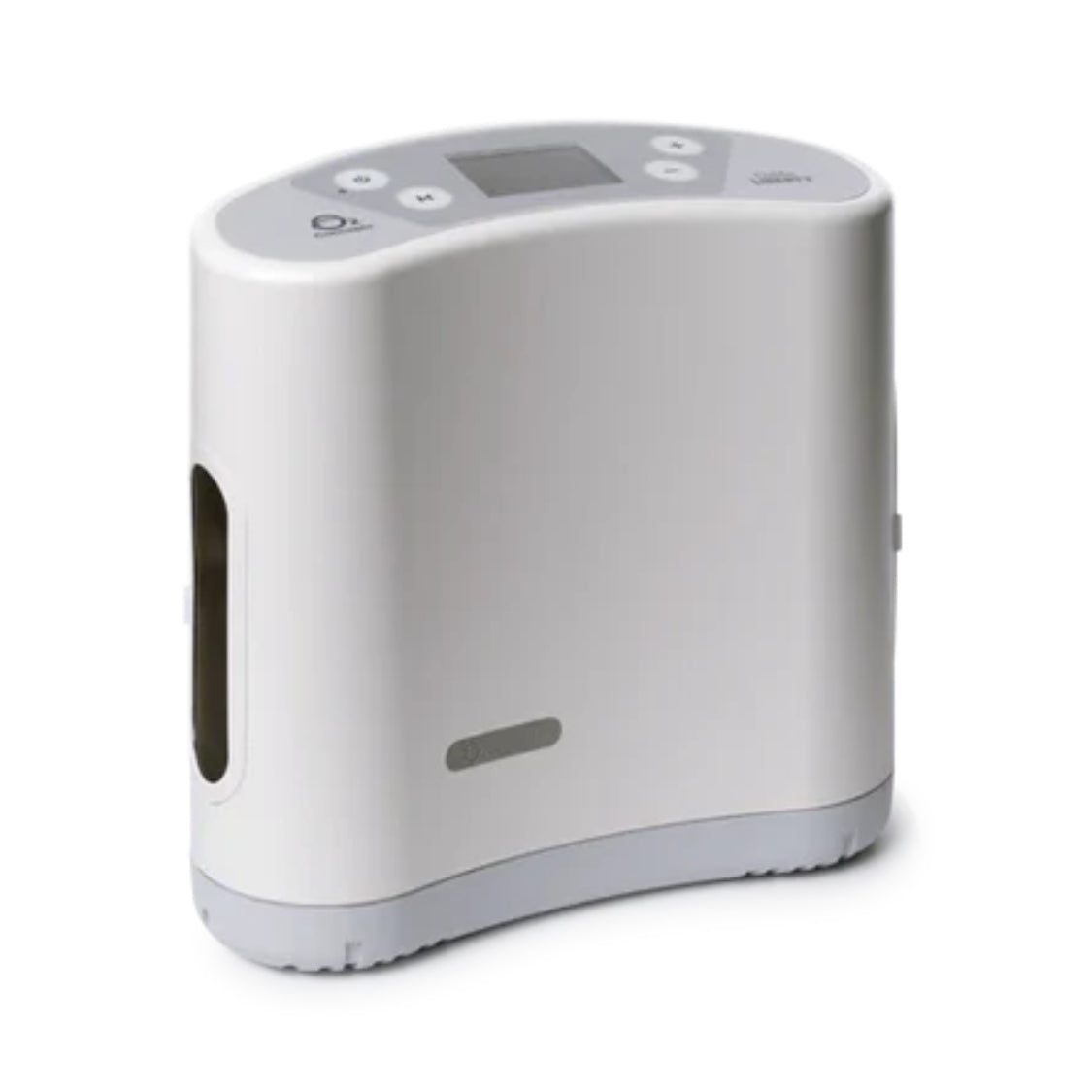
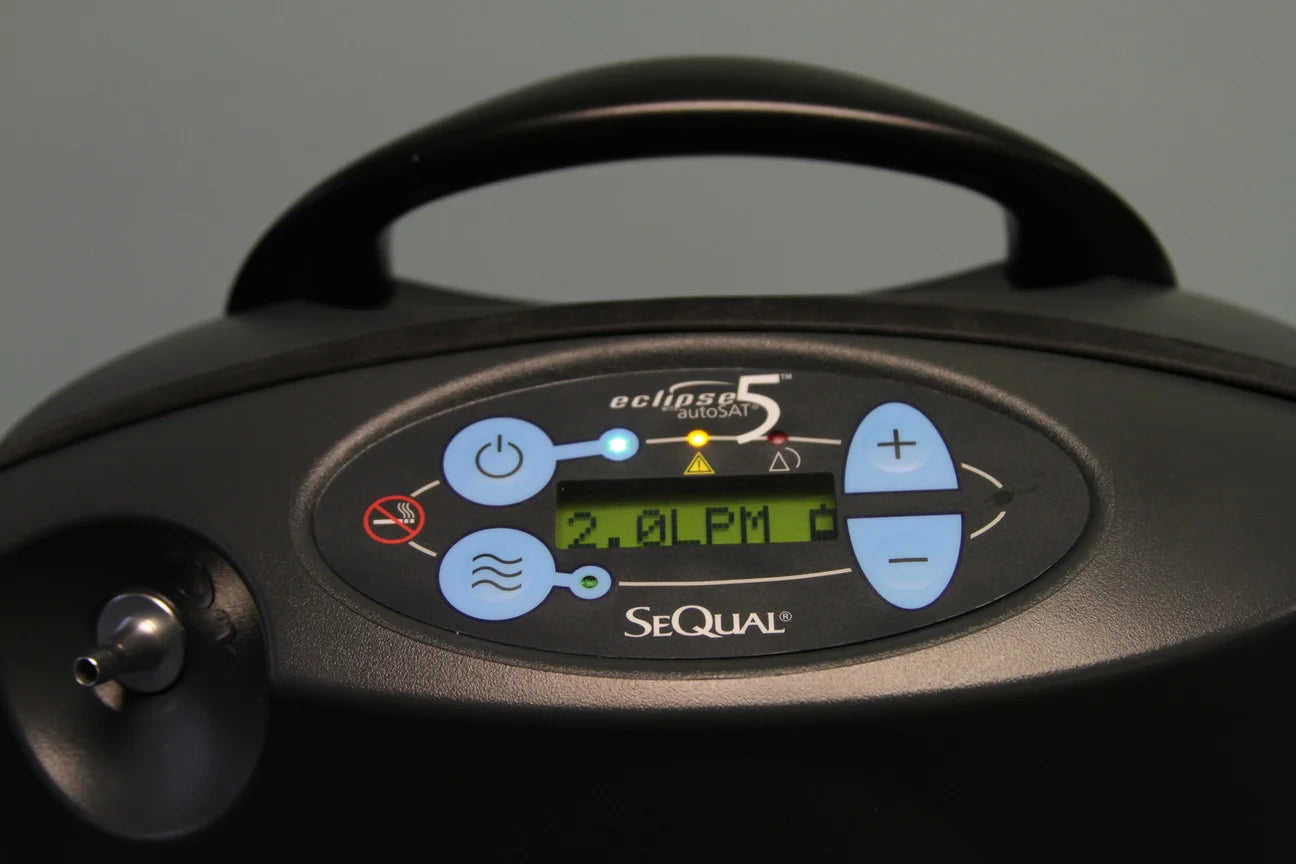
User-friendly design can significantly affect day-to-day satisfaction. Look for models with intuitive controls, easy-to-read displays, and simple flow adjustment settings. Clear visual indicators for battery status, oxygen delivery, and system performance help users quickly understand device status at a glance. Audible and visual alerts for low oxygen purity, low battery, or system malfunctions are essential for safety and reliability.
Durability, Maintenance, and Reliability
A high-quality POC should be built to withstand daily use, minor bumps, and frequent transport. Filters should be easy to access and clean, and routine maintenance requirements should be minimal. Reliable oxygen purity levels typically around 90% or higher are crucial for effective therapy. Manufacturer reputation, warranty coverage, and customer support availability also play an important role in long-term reliability.
Travel Readiness and Lifestyle Considerations
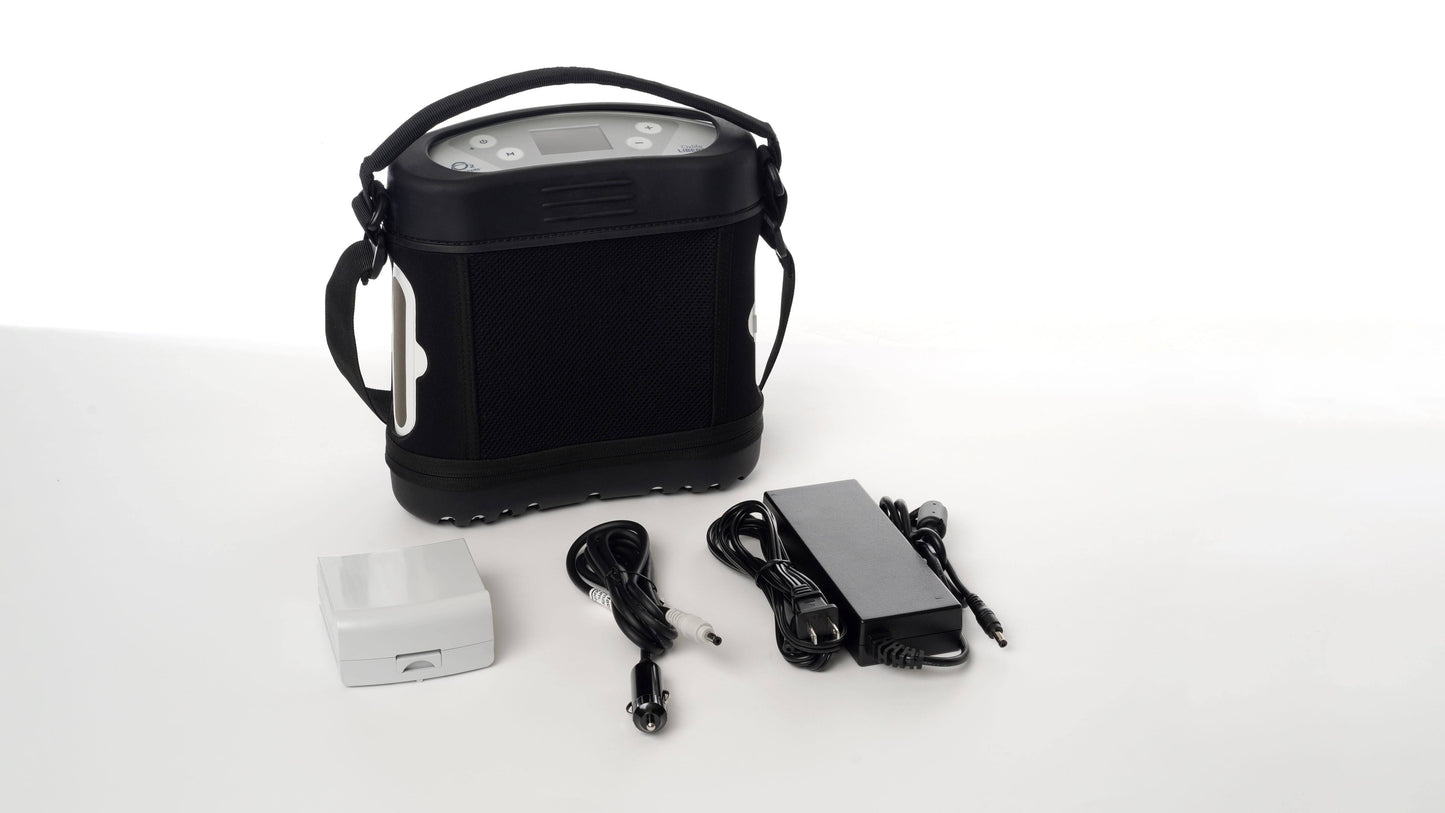
For frequent travelers, FAA approval is essential for in-flight use. Many modern POCs meet airline requirements, but it’s important to verify compatibility and airline policies in advance. Compact designs, carrying cases, shoulder straps, or backpack-style options can significantly improve comfort and convenience during extended travel. Consider how the device fits into your daily routine, including work, exercise, and social activities.
Additional Features and Accessories
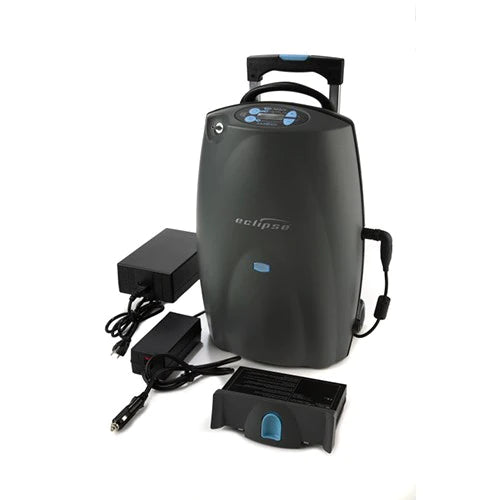
Helpful extras can greatly enhance the overall experience. These may include ergonomic carrying cases, adjustable straps, spare batteries, external chargers, and data tracking features that record usage or performance metrics. Some advanced models also offer connectivity features or enhanced alarms for added safety and confidence.
In summary, the best portable oxygen concentrator balances medical requirements, mobility, comfort, and reliability. Carefully evaluating oxygen output, battery performance, portability, noise level, and usability ensures the device supports both your health needs and your lifestyle.